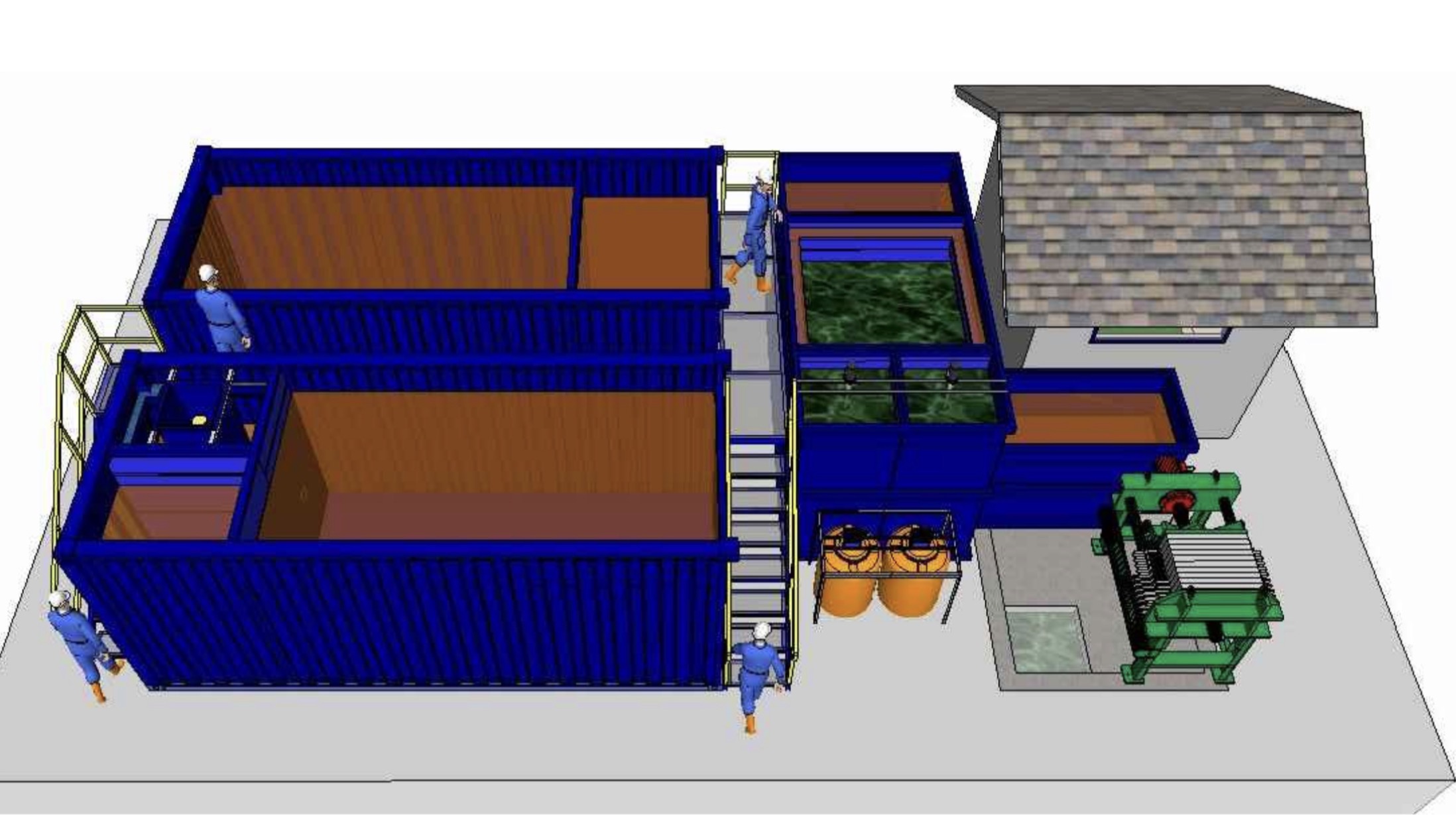
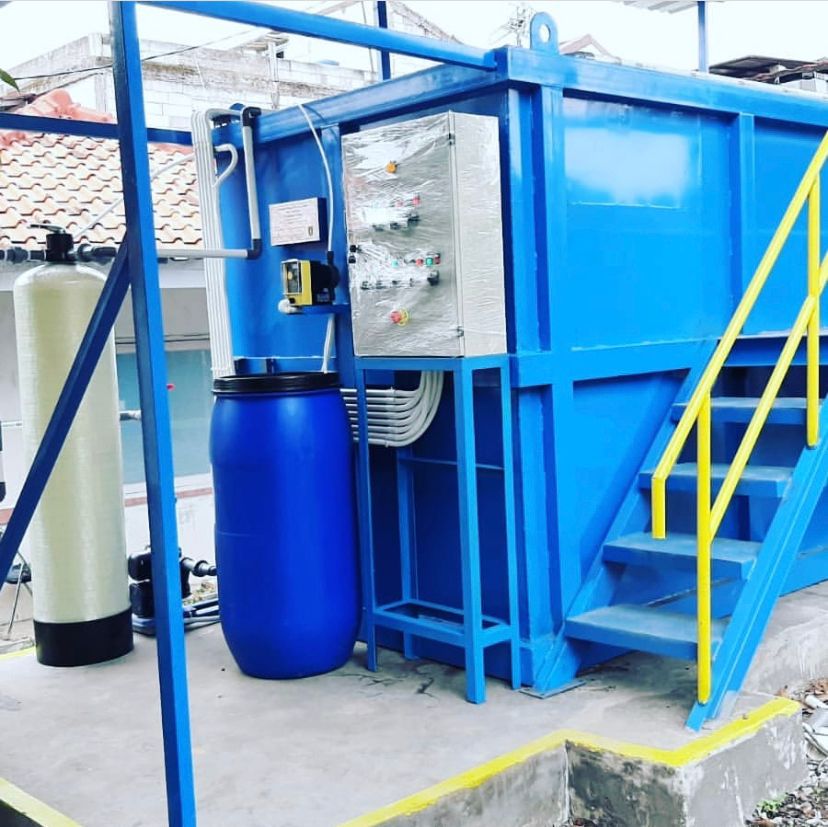
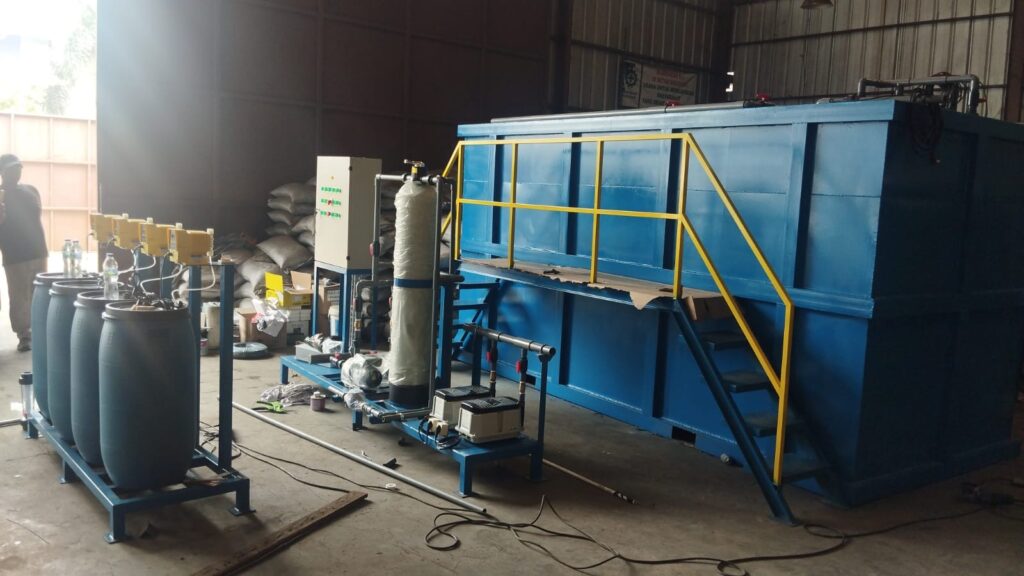
LIQUID MEDICAL WASTE WATER TREATMENT SYSTEM - MAXIBIOREACTOR
Liquid medical waste is any liquid generated from healthcare, laboratory, pharmaceutical, research, veterinary, or biotechnology activities that may contain infectious agents, hazardous chemicals, pharmaceuticals, radioactive materials, or biological contaminants capable of causing harm to humans, animals, or the environment.
Environmental compliance has become a fundamental requirement for healthcare infrastructure development. In Indonesia, every hospital, clinic, medical laboratory, and healthcare facility is required to provide an appropriate wastewater treatment system as part of the environmental approval process under the Environmental Impact Assessment (AMDAL) or the Environmental Management and Monitoring Program (UKL-UPL).
The implementation of the Government’s Online Single Submission – Risk-Based Approach (OSS-RBA) has further strengthened environmental governance by integrating licensing procedures into a transparent, risk-based digital platform. Consequently, wastewater treatment systems are no longer considered optional utility equipment but an essential component for obtaining operational permits and ensuring long-term environmental compliance.
Healthcare facilities generate several categories of wastewater with significantly different characteristics. Domestic wastewater originates from toilets, pantries, kitchens, and other sanitary facilities. Medical wastewater is generated from clinical laboratories, operating theatres, diagnostic units, sterilization rooms, pharmacies, and other healthcare activities. These streams typically contain laboratory reagents, disinfectants, detergents, pharmaceuticals, suspended solids, organic matter, and various chemical contaminants. Meanwhile, hazardous waste (B3 Waste), including concentrated chemicals, expired reagents, pathological waste, contaminated samples, and hazardous laboratory residues, must be segregated from the wastewater system and managed by licensed hazardous waste contractors in accordance with Indonesian regulations.
For optimum treatment efficiency, domestic wastewater is processed through a Sewage Treatment Plant (STP), while laboratory and medical wastewater is treated separately using a dedicated Medical Wastewater Treatment Plant (WWTP). This segregation minimizes operational risks, improves treatment performance, protects biological processes from toxic shock loading, and ensures compliance with environmental discharge standards.
PT Lab Technologi Indonesia specializes in the engineering design, manufacturing, installation, commissioning, and validation of wastewater treatment systems for hospitals, clinical laboratories, pharmaceutical facilities, biotechnology industries, research centers, and other healthcare applications. Our engineering solutions are developed to comply with Indonesian environmental regulations as well as the operational requirements of hospitals, industrial estates, and Special Economic Zones (KEK).
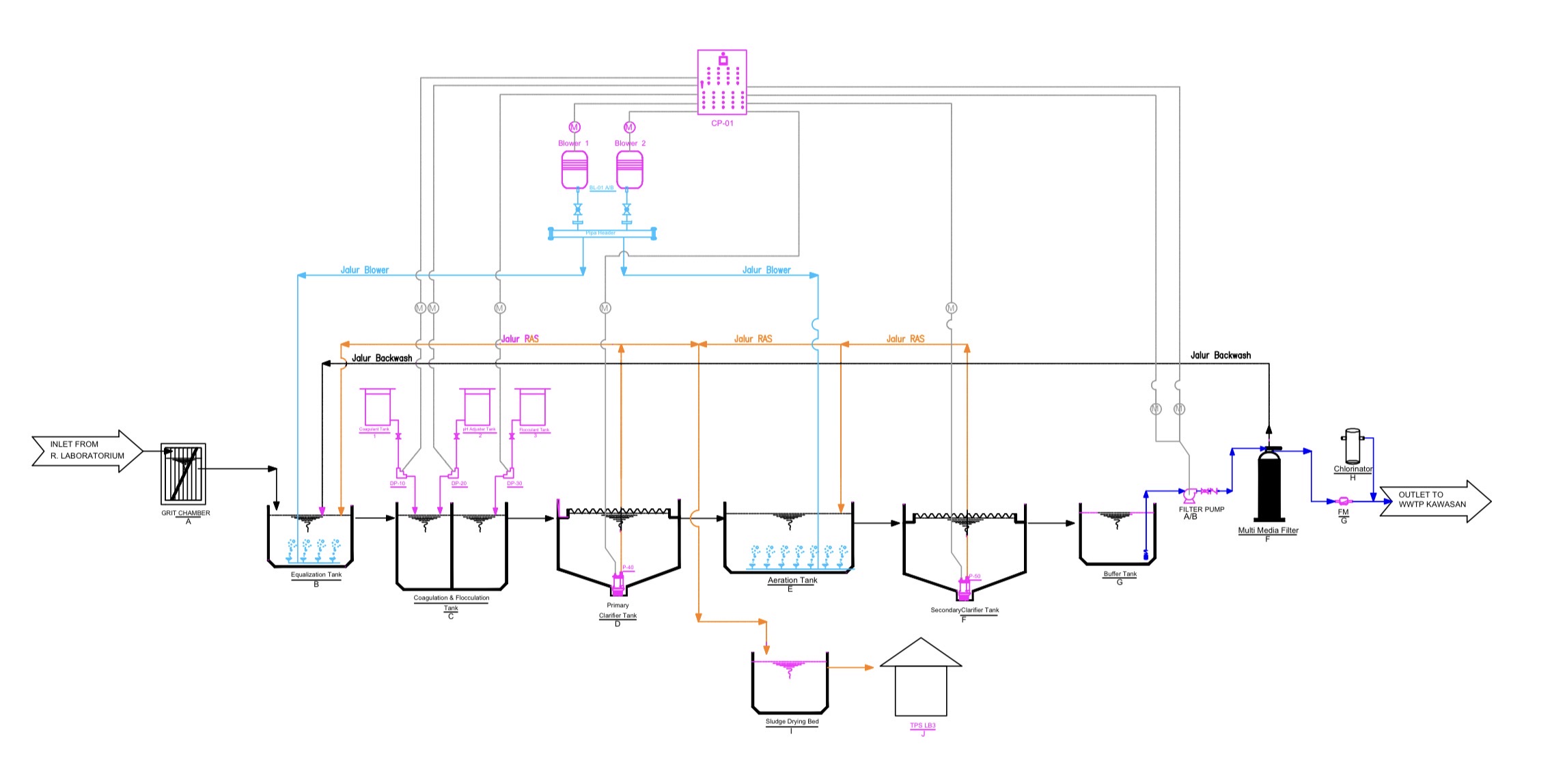
Our treatment systems apply a multi-barrier treatment philosophy consisting of four integrated stages.
The first stage, physical pretreatment, removes coarse solids, plastics, paper, sediment, and floating materials using bar screens, collection sumps, equalization tanks, and grit removal units. This stage stabilizes hydraulic loading while protecting pumps and downstream process equipment.
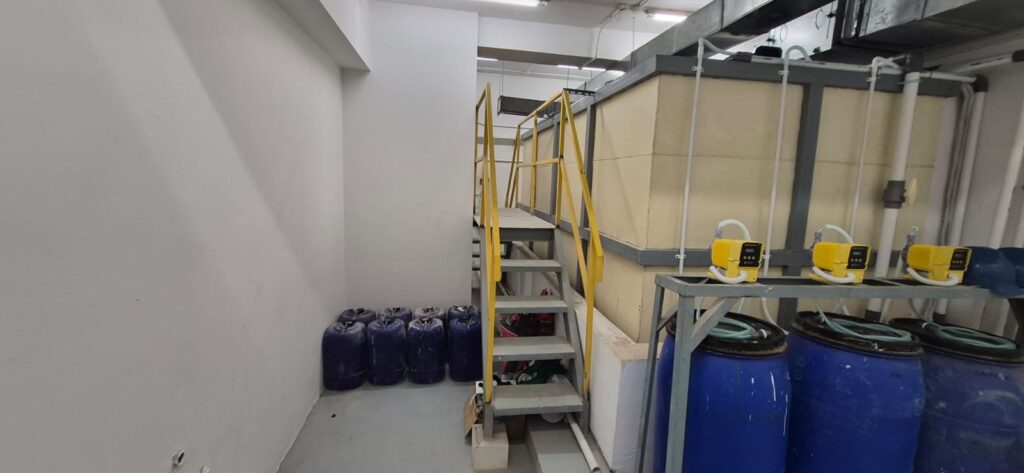
The second stage, chemical treatment, utilizes pH neutralization, coagulation, flocculation, and chemical precipitation to reduce suspended solids, heavy metals, detergents, laboratory chemicals, phosphorus, and other inorganic pollutants. This process is particularly effective for wastewater containing high concentrations of chemical contaminants generated from laboratory operations.
The third stage, biological treatment, employs aerobic or combined biological processes in which selected microorganisms biodegrade dissolved organic pollutants. This significantly reduces Biochemical Oxygen Demand (BOD), Chemical Oxygen Demand (COD), ammonia, nitrogen compounds, and biodegradable contaminants originating from blood, tissue residues, body fluids, and other medical activities.
The final polishing stage incorporates advanced filtration and disinfection technologies. Fine filtration removes residual suspended solids, while ultraviolet (UV) or chlorination systems inactivate pathogenic microorganisms before discharge. The treated effluent is continuously designed to achieve compliance with applicable Indonesian wastewater discharge standards, ensuring environmentally responsible operation and sustainable healthcare infrastructure.
At PT Lab Technologi Indonesia, we believe that an effective wastewater treatment system is more than an environmental obligation—it is a critical investment in public health, operational reliability, regulatory compliance, and sustainable healthcare development.
Medical Wastewater Treatment System for Healthcare Facilities
Environmental compliance has become a fundamental requirement for healthcare infrastructure development. In Indonesia, every hospital, clinic, medical laboratory, and healthcare facility is required to provide an appropriate wastewater treatment system as part of the environmental approval process under the Environmental Impact Assessment (AMDAL) or the Environmental Management and Monitoring Program (UKL-UPL).
The implementation of the Government’s Online Single Submission – Risk-Based Approach (OSS-RBA) has further strengthened environmental governance by integrating licensing procedures into a transparent, risk-based digital platform. Consequently, wastewater treatment systems are no longer considered optional utility equipment but an essential component for obtaining operational permits and ensuring long-term environmental compliance.
Healthcare facilities generate several categories of wastewater with significantly different characteristics. Domestic wastewater originates from toilets, pantries, kitchens, and other sanitary facilities. Medical wastewater is generated from clinical laboratories, operating theatres, diagnostic units, sterilization rooms, pharmacies, and other healthcare activities. These streams typically contain laboratory reagents, disinfectants, detergents, pharmaceuticals, suspended solids, organic matter, and various chemical contaminants. Meanwhile, hazardous waste (B3 Waste), including concentrated chemicals, expired reagents, pathological waste, contaminated samples, and hazardous laboratory residues, must be segregated from the wastewater system and managed by licensed hazardous waste contractors in accordance with Indonesian regulations.
For optimum treatment efficiency, domestic wastewater is processed through a Sewage Treatment Plant (STP), while laboratory and medical wastewater is treated separately using a dedicated Medical Wastewater Treatment Plant (WWTP). This segregation minimizes operational risks, improves treatment performance, protects biological processes from toxic shock loading, and ensures compliance with environmental discharge standards.
PT Lab Technologi Indonesia specializes in the engineering design, manufacturing, installation, commissioning, and validation of wastewater treatment systems for hospitals, clinical laboratories, pharmaceutical facilities, biotechnology industries, research centers, and other healthcare applications. Our engineering solutions are developed to comply with Indonesian environmental regulations as well as the operational requirements of hospitals, industrial estates, and Special Economic Zones (KEK).
Our treatment systems apply a multi-barrier treatment philosophy consisting of four integrated stages.
The first stage, physical pretreatment, removes coarse solids, plastics, paper, sediment, and floating materials using bar screens, collection sumps, equalization tanks, and grit removal units. This stage stabilizes hydraulic loading while protecting pumps and downstream process equipment.
The second stage, chemical treatment, utilizes pH neutralization, coagulation, flocculation, and chemical precipitation to reduce suspended solids, heavy metals, detergents, laboratory chemicals, phosphorus, and other inorganic pollutants. This process is particularly effective for wastewater containing high concentrations of chemical contaminants generated from laboratory operations.
The third stage, biological treatment, employs aerobic or combined biological processes in which selected microorganisms biodegrade dissolved organic pollutants. This significantly reduces Biochemical Oxygen Demand (BOD), Chemical Oxygen Demand (COD), ammonia, nitrogen compounds, and biodegradable contaminants originating from blood, tissue residues, body fluids, and other medical activities.
The final polishing stage incorporates advanced filtration and disinfection technologies. Fine filtration removes residual suspended solids, while ultraviolet (UV) or chlorination systems inactivate pathogenic microorganisms before discharge. The treated effluent is continuously designed to achieve compliance with applicable Indonesian wastewater discharge standards, ensuring environmentally responsible operation and sustainable healthcare infrastructure.
PT Lab Technologi Indonesia, we believe that an effective wastewater treatment system is more than an environmental obligation—it is a critical investment in public health, operational reliability, regulatory compliance, and sustainable healthcare development.
A. Infectious Liquid Waste
Contains infectious microorganisms.
Examples:
- Blood and blood products
- Cell culture media
- Microbiological cultures
- Laboratory wash water from infectious work
B. Chemical Liquid Waste
Contains hazardous chemicals.
Examples:
- Formaldehyde
- Xylene
- Acids
- Alkalis
- Solvents
C. Radioactive Liquid Waste*
Examples:
- Nuclear medicine wastewater
- Research isotope solutions
* Special treatment