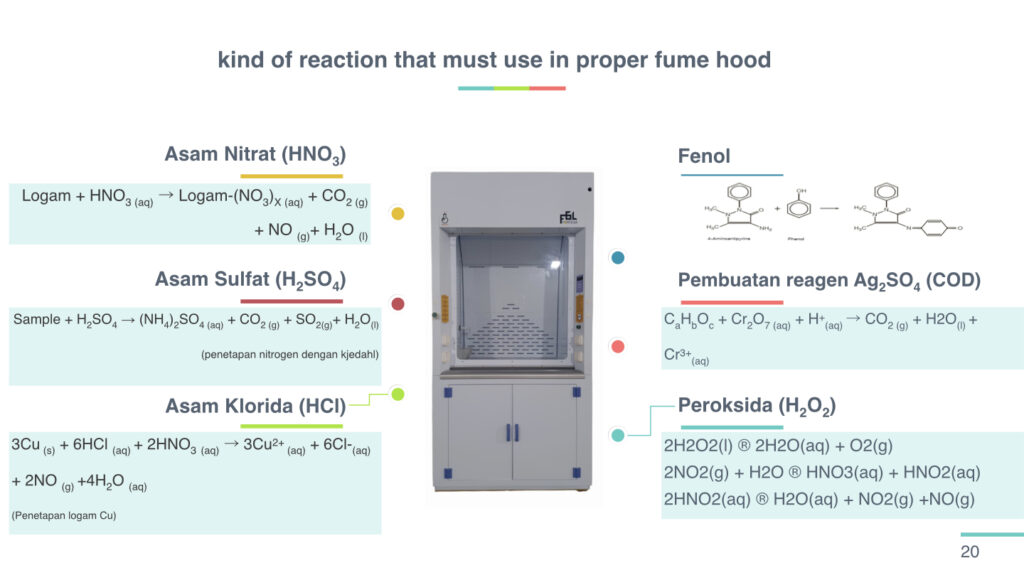
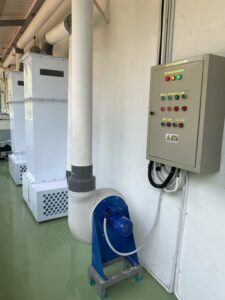
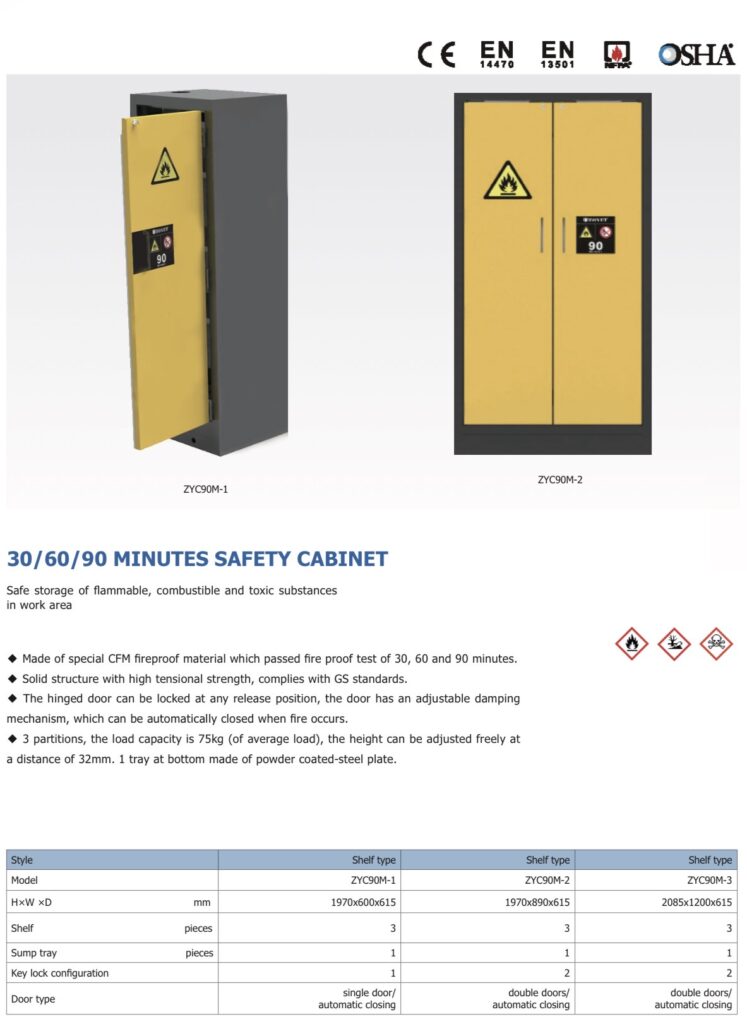
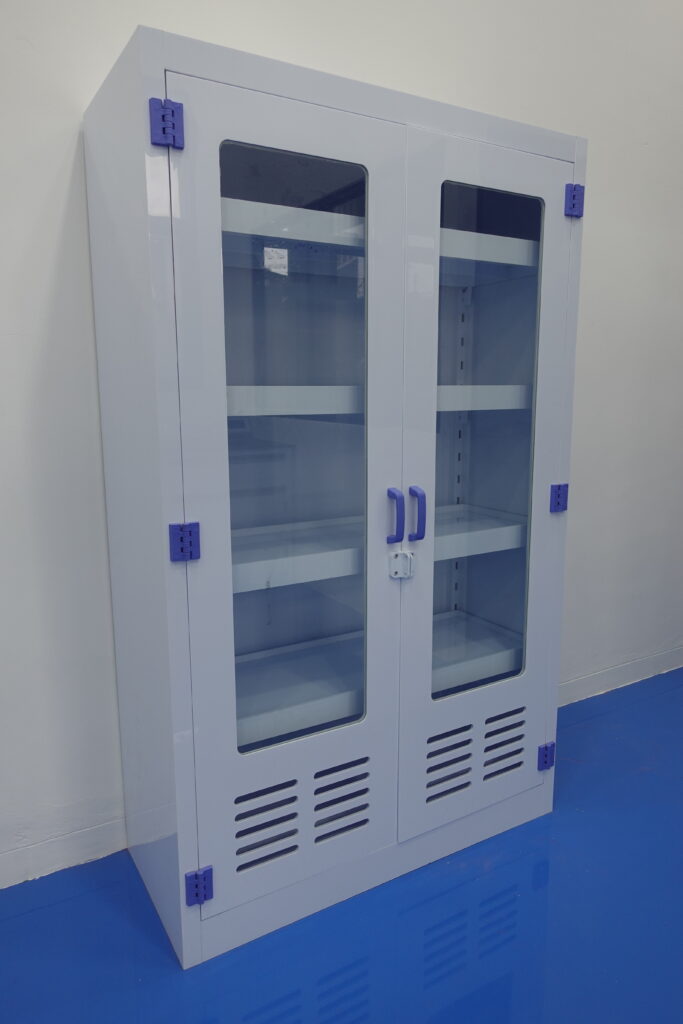
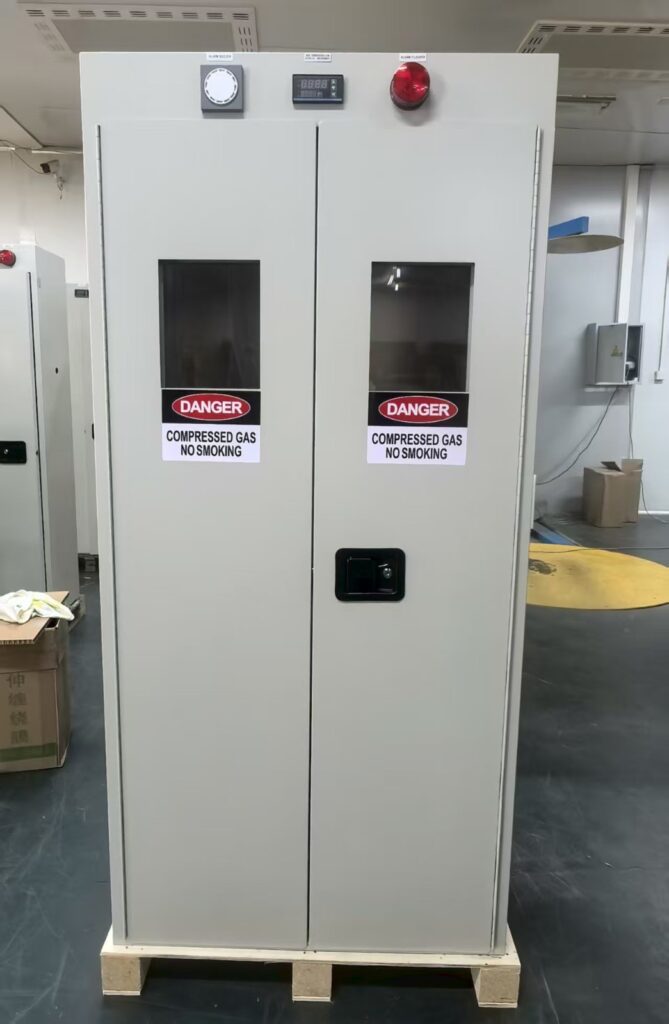
Within a laboratory, various laboratory equipment generates heat and releases hazardous or toxic chemical gases during operation. Therefore, laboratory personnel must conduct hazard grouping and classification to identify potential risks and determine the appropriate engineering controls and safety systems required to prevent exposure of personnel and contamination of the surrounding environment.
Similarly, industrial activities such as manufacturing and production processes also generate hazardous and toxic gases, as well as particulate dust emitted during operations. These conditions indicate that airborne contaminants are an inherent part of many laboratory and industrial processes. Consequently, these hazards must be systematically assessed, managed, and controlled through well-defined operational procedures and the implementation of appropriate air pollution control equipment, ventilation systems, and emission treatment technologies to reduce contaminant concentrations to levels that are safe for personnel, the workplace, and the environment.
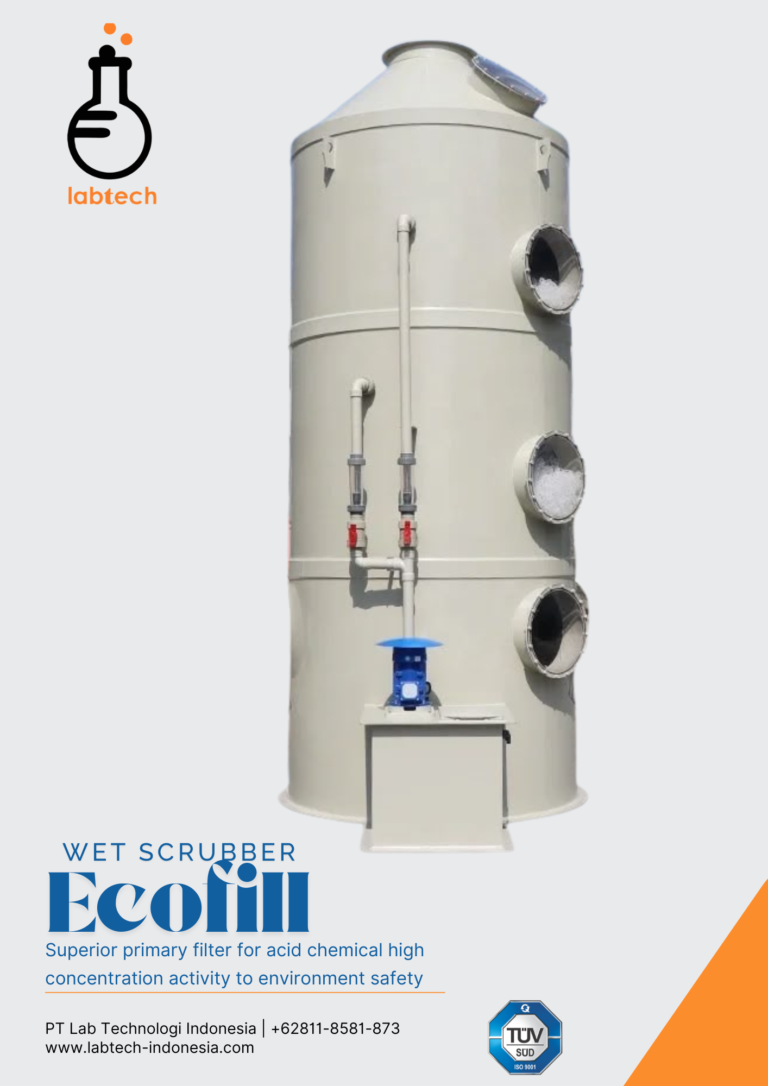
ECOFILL Wet scrubber
Within a laboratory, various laboratory equipment generates heat and releases hazardous or toxic chemical gases during operation. Therefore, laboratory personnel must conduct hazard grouping and classification to identify potential risks and determine the appropriate engineering controls and safety systems required to prevent exposure of personnel and contamination of the surrounding environment.
Similarly, industrial activities such as manufacturing and production processes also generate hazardous and toxic gases, as well as particulate dust emitted during operations. These conditions indicate that airborne contaminants are an inherent part of many laboratory and industrial processes. Consequently, these hazards must be systematically assessed, managed, and controlled through well-defined operational procedures and the implementation of appropriate air pollution control equipment, ventilation systems, and emission treatment technologies to reduce contaminant concentrations to levels that are safe for personnel, the workplace, and the environment.
Within a laboratory, various laboratory equipment generates heat and releases hazardous or toxic chemical gases during operation. Therefore, laboratory personnel must conduct hazard grouping and classification to identify potential risks and determine the appropriate engineering controls and safety systems required to prevent exposure of personnel and contamination of the surrounding environment.
Similarly, industrial activities such as manufacturing and production processes also generate hazardous and toxic gases, as well as particulate dust emitted during operations. These conditions indicate that airborne contaminants are an inherent part of many laboratory and industrial processes. Consequently, these hazards must be systematically assessed, managed, and controlled through well-defined operational procedures and the implementation of appropriate air pollution control equipment, ventilation systems, and emission treatment technologies to reduce contaminant concentrations to levels that are safe for personnel, the workplace, and the environment.